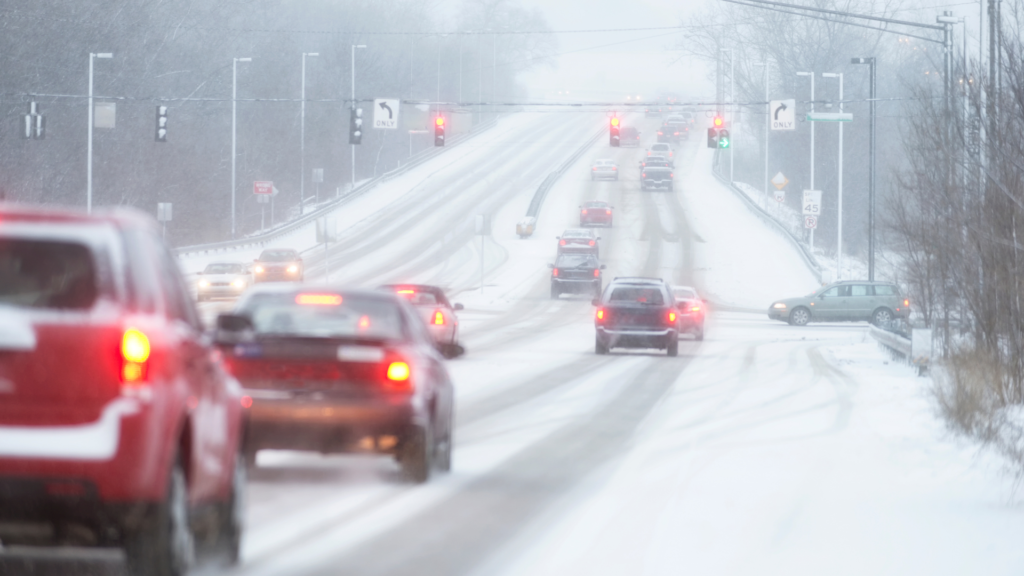
Driving in winter conditions can be challenging, especially if you’re not accustomed to snow, ice, and slippery roads. In Coquitlam, where the weather can change rapidly, it’s important to know how to handle winter driving conditions safely and confidently. Coquitlam driving instructors have years of experience and can offer valuable insights to help you stay safe on the roads during the colder months. In this blog post, we’ll share expert winter driving tips that will make your winter driving experience safer and more enjoyable.
1. Prepare Your Vehicle for Winter Conditions
Before heading out on the road, ensure your car is winter-ready. Coquitlam driving instructors recommend that you check the following key areas to make sure your car is ready to handle the colder temperatures:
- Tires: Switch to winter tires or all-season tires with a good tread depth. Winter tires provide better traction on snow and ice, reducing the risk of skidding.
- Battery: Cold temperatures can drain a battery quickly, so check that your car’s battery is in good condition.
- Wipers and Washer Fluid: Make sure your windshield wipers are working properly and replace them if they are worn out. Fill your washer fluid reservoir with winter-grade fluid to prevent freezing.
- Lights: Ensure all your headlights, taillights, and brake lights are functioning properly to maximize visibility during shorter daylight hours.
Having your vehicle in top condition will help prevent any surprises while driving during winter conditions.
2. Increase Following Distance
When the roads are slippery, your car’s stopping distance will be longer than usual. Coquitlam driving instructors emphasize the importance of increasing your following distance. In dry conditions, the standard rule is to stay at least two seconds behind the car in front of you. In winter, you should increase this distance to at least four seconds to give yourself more time to react.
This extra cushion will help you avoid rear-end collisions if the car in front of you stops suddenly or loses traction.
3. Drive Slowly and Smoothly
One of the most important tips for winter driving is to reduce your speed. Coquitlam driving instructors always advise driving slower in slippery conditions, as it’s harder to stop quickly on snow or ice. Even if the posted speed limit is 50 km/h, it may be wise to drive slower depending on the weather and road conditions.
In addition to driving slowly, make sure to accelerate and brake smoothly. Sudden movements can cause your car to lose traction and skid. Use gentle, gradual acceleration and deceleration to maintain control of your vehicle.
4. Know How to Handle Skids
Skidding can happen to anyone, especially when driving on icy or snow-covered roads. If your car starts to skid, stay calm and follow these steps:
- Front-Wheel Skid: If the front wheels lose traction, ease off the gas pedal and steer in the direction you want to go.
- Rear-Wheel Skid: If the rear wheels lose traction, gently steer into the skid, which means turning the steering wheel in the direction you want the car to go. Avoid slamming on the brakes.
If you feel the car losing control, it’s essential not to panic. Coquitlam driving instructors recommend that you practice skid recovery techniques in a safe environment, such as an empty parking lot, to get a feel for how your car responds.
5. Use Low Beams in Snowy or Foggy Conditions
During winter storms or in foggy conditions, visibility can be significantly reduced. Coquitlam driving instructors recommend using low-beam headlights, as high beams can reflect off snow or fog, making it even harder to see. Low beams will help you see the road ahead while improving your visibility for other drivers.
If snow or fog is particularly thick, keep a greater distance from the vehicle ahead and adjust your speed accordingly. You want to avoid any accidents caused by poor visibility.
6. Avoid Cruise Control
While cruise control is a convenient feature, it can be dangerous in winter driving conditions. Coquitlam driving instructors strongly advise against using cruise control on icy or snowy roads. It can prevent you from reacting quickly enough if your car starts to lose traction.
Instead, manually control your speed and pay close attention to road conditions, so you’re always prepared to react to any changes in traction.
7. Stay Informed About Weather Conditions
Before heading out, it’s a good idea to check the weather forecast. Coquitlam driving instructors suggest keeping an eye on local weather reports, road conditions, and potential warnings. If the weather looks particularly bad, consider postponing your trip or using public transportation if possible.
Keeping an emergency kit in your car is also a good idea for unexpected situations. Include items like a blanket, flashlight, water, snacks, and a first-aid kit to stay safe in case of a breakdown or emergency.
8. Don’t Overdrive Your Headlights
If you’re driving at night during winter, it’s essential to know the limits of your headlights. During snowy or rainy conditions, your headlights will only illuminate the road for a limited distance. Coquitlam driving instructors advise that you never drive too fast for your headlights’ visibility range, as it will give you less time to react to any obstacles or changes in the road ahead.
9. Keep Your Windows Clear
In winter, snow and ice can quickly accumulate on your windows and mirrors, impairing your vision. Coquitlam driving instructors recommend keeping a window scraper and de-icer in your car to remove ice from the windshield, side mirrors, and windows before you drive. Always ensure your view is completely clear before hitting the road.
10. Stay Calm and Be Prepared
Finally, one of the most important tips for driving in winter conditions is to stay calm. The unpredictable weather and road conditions can be stressful, but maintaining a level head is crucial for making good decisions on the road.
If you do get stuck or are involved in a minor accident, stay calm and follow the proper procedures. Keep your emergency kit handy and never leave your vehicle in extreme weather unless it’s absolutely necessary.
Conclusion
Winter driving in Coquitlam can be challenging, but with the right preparation, awareness, and skills, you can navigate through the season safely. By following these winter driving tips from Coquitlam driving instructors, you’ll build the confidence and skills needed to handle snow, ice, and slippery conditions with ease. Always remember to adjust your driving habits according to road conditions, and never hesitate to reach out to a professional driving instructor to improve your winter driving skills.
Stay safe on the roads and drive with caution this winter!