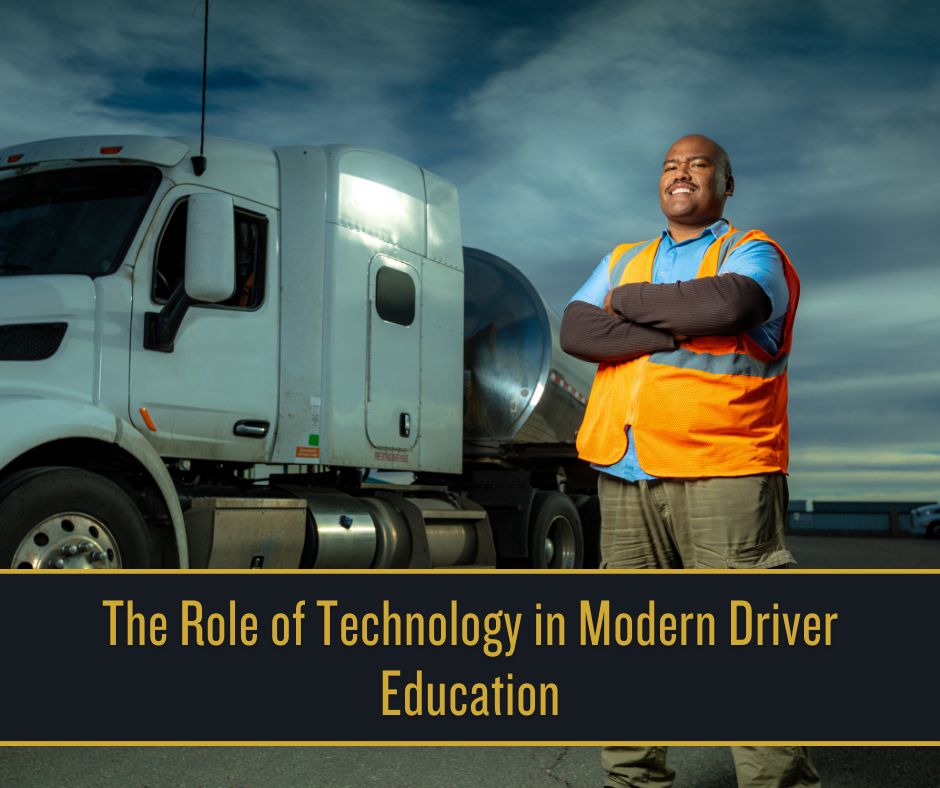
In today’s digital age, technology plays a significant role in shaping every aspect of our lives, including driver education. As technology continues to evolve, so too does the way we teach and learn how to drive. At Rosa Driving Academy, we recognize the importance of embracing technology as a valuable tool in modern driver education. In this blog post, we’ll explore the role of technology in driver education and how it enhances the learning experience for students.
Interactive Learning Platforms:
Technology has revolutionized the way driver education is delivered, with the introduction of interactive learning platforms and online resources. These platforms provide students with access to a wealth of educational materials, including instructional videos, interactive simulations, practice tests, and educational games. This allows students to learn at their own pace and reinforce their understanding of key concepts in a dynamic and engaging way.
Virtual Reality (VR) Simulations:
Virtual reality (VR) technology has emerged as a powerful tool in driver education, allowing students to experience realistic driving scenarios in a safe and controlled environment. VR simulations replicate real-world driving conditions, such as city streets, highways, and adverse weather conditions, providing students with valuable hands-on experience without the risks associated with on-road training. This immersive learning experience helps students develop critical driving skills, such as hazard recognition, decision-making, and defensive driving techniques.
Driving Simulators:
Driving simulators have become increasingly sophisticated in recent years, offering realistic driving experiences that closely mimic the feel of driving a real vehicle. Simulators use advanced technology, such as motion sensors, force feedback systems, and high-definition displays, to create immersive driving environments. Students can practice a wide range of driving maneuvers and scenarios, including parallel parking, lane changes, and emergency braking, in a safe and controlled setting. Driving simulators are especially beneficial for novice drivers, allowing them to gain confidence and proficiency behind the wheel before transitioning to on-road training.
Mobile Apps:
Mobile apps have become indispensable tools for driver education, providing students with access to learning resources anytime, anywhere. Driver education apps offer a variety of features, such as practice tests, flashcards, driving tips, and progress tracking tools, to help students prepare for their written exams and road tests. These apps are convenient and user-friendly, allowing students to study on their smartphones or tablets at their own convenience.
GPS Navigation Systems:
GPS navigation systems have become essential tools for drivers, providing real-time navigation assistance, traffic updates, and route planning capabilities. In driver education, GPS navigation systems are used to teach students how to navigate unfamiliar routes, follow directions, and plan efficient driving routes. By incorporating GPS technology into driver education curricula, students develop essential navigation skills that are essential for safe and confident driving.
Online Learning Management Systems:
Online learning management systems (LMS) have transformed the way driver education programs are administered and managed. LMS platforms allow driving schools to organize course materials, track student progress, communicate with students, and administer assessments in a centralized online environment. These platforms streamline administrative tasks, improve communication between instructors and students, and enhance the overall learning experience for students.
Vehicle Safety Technology:
Advancements in vehicle safety technology, such as adaptive cruise control, lane departure warning systems, and automatic emergency braking, have had a profound impact on driver education. These technologies are incorporated into driver education curricula to familiarize students with the latest safety features and encourage responsible use of technology behind the wheel. By teaching students how to leverage these technologies effectively, driver education programs help prepare students for the realities of modern driving.
In conclusion, technology plays a pivotal role in modern driver education, enhancing the learning experience for students and equipping them with the knowledge and skills needed to become safe and responsible drivers. At Rosa Driving Academy, we’re committed to leveraging technology to provide our students with the highest quality driver education possible. Contact us today to learn more about our innovative driving programs and how we can help you achieve your driving goals in the digital age.