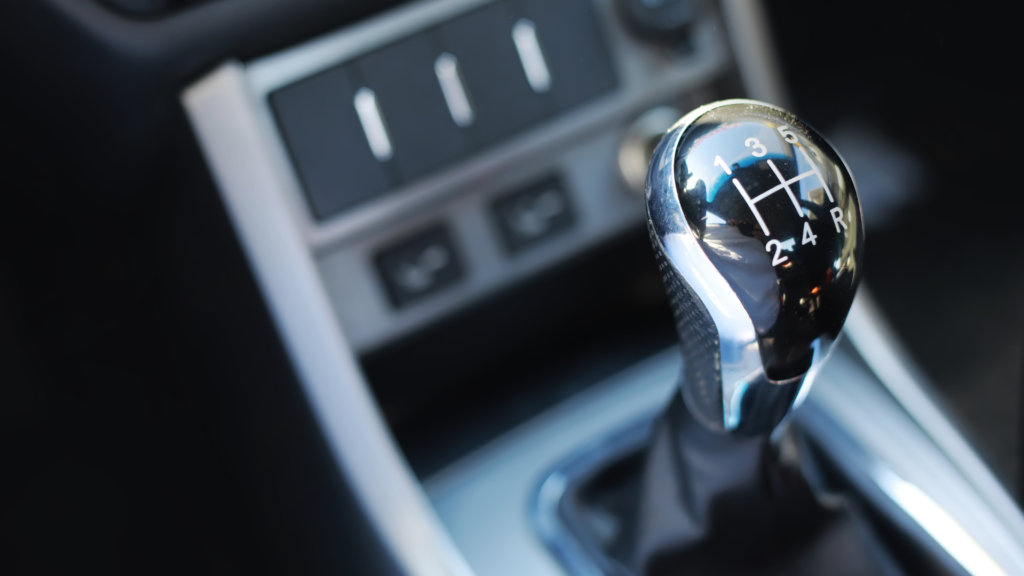
Learning how to drive a manual car can seem intimidating, but with the right guidance and practice, it becomes an exciting and rewarding experience. Whether you’re new to driving or have only driven automatic vehicles, mastering manual transmission opens up a world of driving possibilities. In this blog post, we’ll share essential tips from expert driving instructors in Langley to help you become a confident manual driver.
1. Understand the Basics of Manual Transmission
Before jumping into driving, it’s crucial to understand the mechanics of a manual transmission vehicle. In manual cars, the driver needs to use the clutch, gear stick, and accelerator to change gears and control the car. Unlike automatic cars, which change gears on their own, manual cars require you to shift gears manually for acceleration, deceleration, and cruising.
The main components you’ll be working with are:
- Clutch Pedal: Located to the left of the brake pedal, it disengages the engine from the wheels when pressed, allowing you to shift gears.
- Gear Stick: Used to change between gears, allowing the car to go faster or slower depending on your speed.
- Accelerator Pedal: Pressing it increases your speed as you shift through gears.
A solid understanding of these components will set the foundation for learning how to drive a manual car.
2. Learn to Coordinate the Clutch and Gas Pedals
One of the most important skills when driving a manual car is the smooth coordination between the clutch and gas pedals. The clutch pedal must be pressed to disengage the engine before shifting gears, and the gas pedal controls your speed. To smoothly shift gears, you need to find the right balance between both pedals.
Here’s a tip: when you press the gas pedal after releasing the clutch, do it gently. Abrupt movements can lead to stalling or jerky motion. Practice pressing the clutch fully to the floor, moving the gear stick, and then gradually pressing the gas pedal as you release the clutch.
3. Practice Shifting Gears at Low Speeds
Starting out, practicing at low speeds is essential for getting comfortable with shifting gears. In a manual car, you need to shift to higher gears as your speed increases and to lower gears as your speed decreases.
Begin by driving in an area with little traffic, like a parking lot or quiet street. Start in first gear, accelerate slowly, and practice shifting into second gear as your car picks up speed. Then, practice downshifting as you slow down. The goal is to shift smoothly and without jerking the vehicle. With time, you’ll build muscle memory for shifting gears correctly.
4. Master the Art of Stalling
Stalling is a common concern when learning to drive a manual car, but it’s an inevitable part of the process, especially for beginners. It happens when the engine stalls because the clutch is released too quickly or the car isn’t given enough gas.
When you stall, don’t panic. Simply press the clutch pedal, shift the car into neutral, and start the engine again. Take a deep breath and remember that stalling is normal. The more you practice, the less likely you’ll be to stall. Over time, you’ll develop the feel for the clutch and gas pedals and avoid stalling altogether.
5. Learn Hill Starts with Confidence
Starting on a hill is one of the most challenging aspects of driving a manual car, but with practice, you can handle it with ease. When you release the clutch on a slope, the car tends to roll back. To prevent this, use the handbrake while you transition from the clutch to the gas pedal.
Here’s a tip: when you’re ready to move forward, engage the handbrake, press the clutch fully, shift to first gear, and gradually press the gas pedal. Once the engine catches, release the handbrake and continue accelerating smoothly. This technique will help you avoid rolling back while starting on a hill.
6. Keep Your RPMs in the Right Range
To drive a manual car efficiently, it’s essential to understand the concept of RPMs (revolutions per minute). RPM measures how fast the engine is running. Shifting gears at the right time is key to maintaining good RPM levels, preventing the engine from over-revving or struggling to accelerate.
Here’s a general guideline:
- When accelerating, shift into higher gears when the RPM reaches around 2,500 to 3,000.
- When decelerating, shift into lower gears as the RPM drops to avoid stalling.
This balance helps keep the engine running smoothly and improves fuel efficiency.
7. Develop Smooth Transitions Between Gears
Shifting gears in a manual car should be as smooth as possible to avoid jerking motions. To achieve this, practice releasing the clutch slowly while simultaneously pressing the gas pedal. It might take some time to get the timing right, but smooth transitions are key to making your ride comfortable and fluid.
Be mindful of your movements, and avoid rushing through the shifting process. With more practice, you’ll instinctively know the right timing for each gear change.
8. Take It Slow: Patience is Key
Learning to drive a manual car takes time, and it’s normal to feel overwhelmed in the beginning. Don’t rush yourself or feel pressured to be perfect right away. Take your time to practice each step at your own pace, and don’t be afraid to make mistakes. Each lesson is a chance to improve and grow.
Langley driving instructors recommend starting with short, focused lessons to avoid feeling overwhelmed. You can gradually increase the length of your driving sessions as your skills improve.
9. Get Expert Guidance
One of the best ways to learn manual transmission is by enrolling in driving lessons with an experienced instructor. Langley driving experts have years of experience teaching manual transmission and can provide valuable tips and feedback on your progress. They will also be able to spot common mistakes and help you correct them quickly.
Learning from a professional ensures that you’re developing the right techniques from the start, which can save you time and frustration in the long run.
Conclusion
Learning to drive a manual car may seem challenging, but with patience, practice, and expert guidance from Langley driving instructors, you’ll soon be shifting gears with confidence. Remember to take it slow, focus on the basics, and practice as much as possible. Before long, you’ll enjoy the thrill of driving a manual vehicle and mastering this valuable skill.
Get in touch with a Langley driving school today and start your journey toward mastering manual transmission!