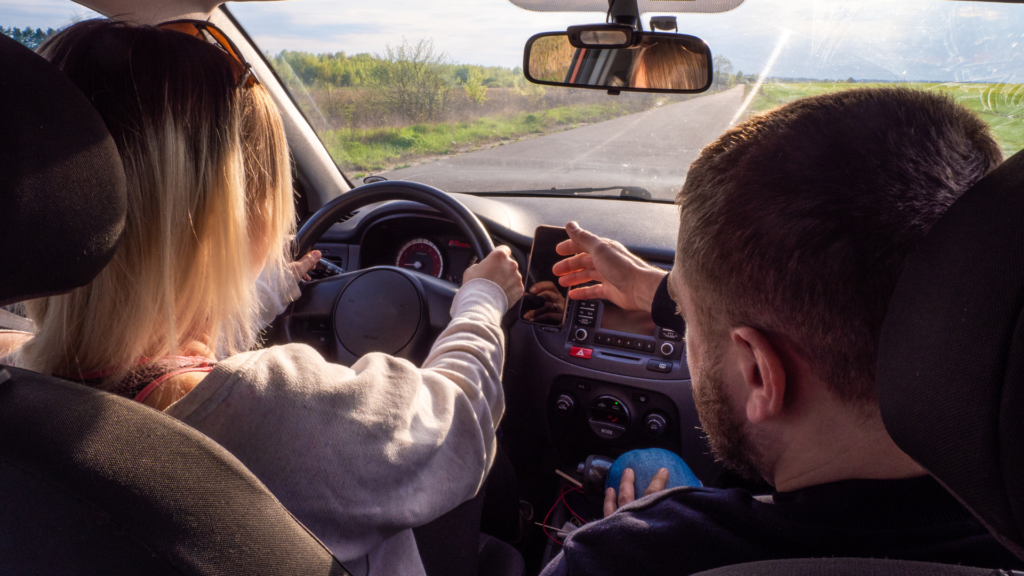
Defensive driving is a crucial skill for all drivers, and it’s particularly important for those navigating the busy roads in Maple Ridge. By adopting defensive driving techniques, drivers can reduce their risk of accidents, avoid collisions, and handle unexpected road situations with confidence. In this blog post, we’ll walk you through everything you need to know about learning defensive driving in Maple Ridge, including key strategies and how professional driving lessons can help.
What Is Defensive Driving?
Defensive driving involves anticipating potential hazards and taking proactive steps to avoid accidents. It’s about staying alert, being aware of other drivers, and responding to road conditions in a way that reduces the risk of collisions. Defensive drivers are cautious, focused, and always prepared for unexpected situations that may arise on the road.
In Maple Ridge, where traffic can vary from calm suburban streets to busy intersections, defensive driving techniques are essential for staying safe. By learning defensive driving, you’ll not only be a more skilled driver but also reduce the likelihood of accidents, injuries, and property damage.
Key Defensive Driving Techniques
There are several fundamental defensive driving techniques that every driver should know. These skills are taught in many professional driving schools, and with the right guidance, you can master them quickly.
1. Maintain a Safe Following Distance
One of the simplest yet most effective defensive driving techniques is maintaining a safe distance from the vehicle in front of you. This gives you plenty of time to react if the driver suddenly stops or slows down. The general rule of thumb is to stay at least one car length behind the vehicle for every 10 mph you’re traveling. On highways or in poor weather conditions, increasing the following distance is crucial.
2. Stay Alert and Focused
Distractions are one of the leading causes of accidents, so staying alert is key to defensive driving. Avoid distractions such as texting, talking on the phone, or fiddling with the radio while driving. Keep your eyes on the road and be prepared to react to changes in traffic or road conditions.
In Maple Ridge, where the roads can change from calm residential streets to busy intersections, being focused will allow you to spot potential hazards, such as pedestrians, cyclists, or other vehicles, and make quick decisions to avoid accidents.
3. Use Your Mirrors Regularly
Always be aware of what’s going on around you. Check your mirrors frequently to monitor traffic and keep an eye on other vehicles, especially when changing lanes or merging. Knowing where other drivers are allows you to make better decisions and anticipate potential risks.
4. Be Mindful of Blind Spots
Blind spots are areas around your vehicle that you can’t see through your mirrors. To avoid accidents, always check your blind spots before making a lane change or turning. By taking the extra second to look over your shoulder, you can prevent collisions that might otherwise be difficult to avoid.
5. Slow Down in Adverse Conditions
Weather conditions can change rapidly, especially in areas like Maple Ridge. If it’s raining, foggy, or icy, reduce your speed and drive cautiously. Slower speeds give you more time to react to slippery roads or sudden changes in traffic.
When you slow down in adverse conditions, you’re not only protecting yourself but also the other drivers around you. Even in situations where it feels safe to drive at a higher speed, it’s important to adjust based on road conditions.
6. Use Your Signals and Follow Road Signs
Always use your turn signals when changing lanes or turning. Not only is this courteous, but it’s also a critical part of defensive driving. Signaling your intentions gives other drivers time to adjust and makes the road safer for everyone.
Additionally, always obey road signs and signals, such as stop signs, yield signs, and speed limits. These rules are put in place to keep everyone safe on the road, and by following them, you reduce the risk of accidents.
7. Keep a Calm and Patient Attitude
Road rage and aggressive driving can lead to dangerous situations. A defensive driver maintains a calm attitude and doesn’t let the actions of other drivers provoke them. If someone cuts you off or behaves aggressively, stay calm, keep your distance, and avoid engaging with them. Patience and restraint are key to defensive driving.
How Professional Driving Lessons in Maple Ridge Can Help
While defensive driving skills can be learned on your own, it’s often beneficial to take professional driving lessons to fully grasp the techniques and gain hands-on experience. Driving schools in Maple Ridge, like Rosa Driving School, offer specialized defensive driving courses that teach you the strategies mentioned above, along with other advanced techniques for avoiding accidents.
With the help of a qualified instructor, you’ll learn how to:
- React to unpredictable road situations, such as sudden braking or swerving.
- Understand and navigate through different road conditions safely.
- Build the skills needed for confident and defensive driving in various scenarios.
Having a professional instructor guide you through defensive driving lessons can also help you become more aware of potential hazards, improve your reaction times, and make smarter decisions on the road.
Conclusion
Defensive driving is an essential skill for all drivers, and it’s particularly important in areas like Maple Ridge, where traffic can change rapidly, and road conditions can vary. By practicing defensive driving techniques like maintaining a safe following distance, staying focused, and using your mirrors, you can significantly reduce your risk of accidents and become a safer, more confident driver.
If you’re looking to master defensive driving in Maple Ridge, consider enrolling in professional driving lessons with a trusted instructor. With their guidance, you’ll be able to practice essential skills in a safe, controlled environment, ensuring you’re fully prepared to navigate the roads with confidence.
Remember, defensive driving is not just about avoiding accidents—it’s about creating a safer, more aware driving environment for everyone on the road.