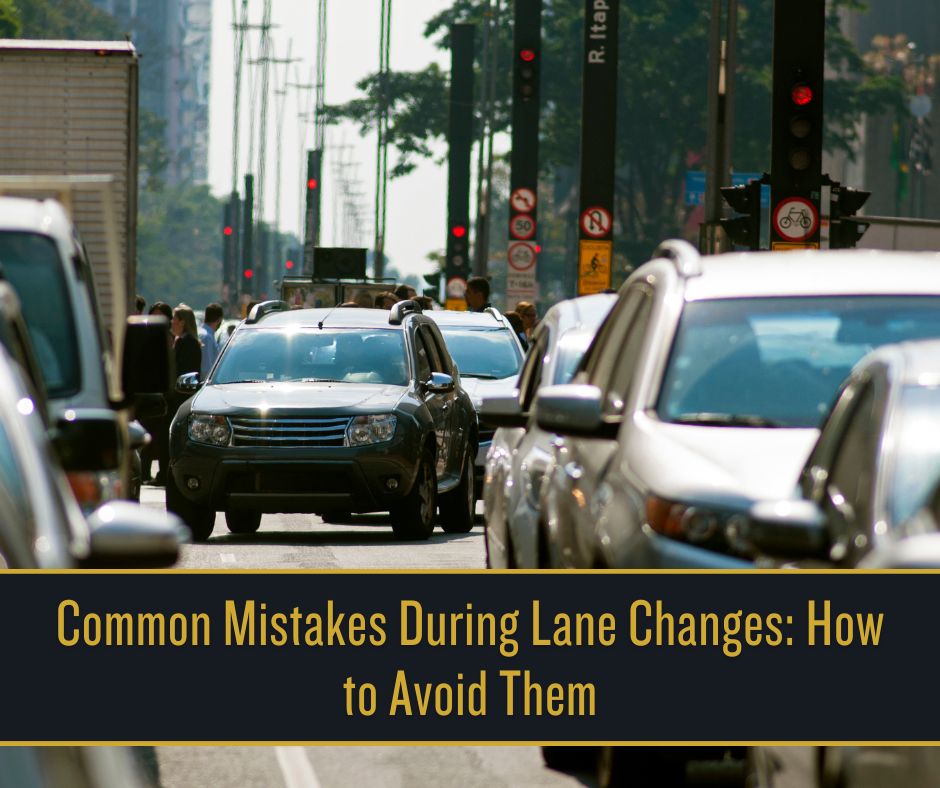
Lane changes are a routine part of driving, but they can also be a source of accidents and near-misses if not executed properly. At Rosa Driving Academy, we understand the importance of mastering lane changes to ensure safe and efficient travel on the road. In this blog post, we’ll discuss some common mistakes drivers make during lane changes and provide tips on how to avoid them.
Failing to Check Blind Spots:
One of the most common mistakes drivers make during lane changes is failing to check their blind spots. Blind spots are areas around your vehicle that are not visible in your rearview or side mirrors. Before changing lanes, always check your blind spots by quickly glancing over your shoulder to ensure there are no vehicles or obstacles in the adjacent lane.
Tip: Get into the habit of checking your blind spots every time you change lanes, even if you don’t see any vehicles in your mirrors.
Using Turn Signals Improperly:
Another common mistake is using turn signals incorrectly or failing to use them at all. Turn signals are essential for indicating your intentions to other drivers and pedestrians. Always use your turn signals to signal your intention to change lanes, and make sure to activate them at least 100 feet before making your lane change.
Tip: Signal your lane change well in advance to give other drivers ample time to react and adjust their driving accordingly.
Changing Lanes Abruptly:
Abrupt lane changes can startle other drivers and increase the risk of collisions. Some drivers make the mistake of swerving suddenly into the adjacent lane without signaling or checking for other vehicles. Always make smooth and gradual lane changes, and avoid cutting off other drivers or forcing them to brake suddenly.
Tip: Use the “three-second rule” when changing lanes – maintain a three-second gap between your vehicle and the vehicle ahead before merging into the adjacent lane.
Failing to Adjust Speed:
Adjusting your speed appropriately is crucial when changing lanes. Some drivers make the mistake of changing lanes without adjusting their speed to match the flow of traffic in the adjacent lane. Before changing lanes, make sure there is a sufficient gap in traffic, and adjust your speed to match the speed of vehicles in the lane you’re merging into.
Tip: Accelerate or decelerate gradually to match the speed of traffic in the adjacent lane before changing lanes.
Neglecting to Check Traffic Conditions:
Failing to assess traffic conditions before changing lanes can lead to dangerous situations. Some drivers make the mistake of changing lanes without considering factors such as the speed and position of nearby vehicles, road conditions, and visibility. Always scan your surroundings and assess traffic conditions before initiating a lane change.
Tip: Be especially cautious when changing lanes in heavy traffic, inclement weather, or low-visibility conditions.
Conclusion:
Mastering lane changes is essential for safe and confident driving. By avoiding common mistakes such as failing to check blind spots, using turn signals improperly, changing lanes abruptly, failing to adjust speed, and neglecting to check traffic conditions, you can reduce the risk of accidents and ensure smooth and efficient travel on the road. At Rosa Driving Academy, we provide comprehensive instruction on safe lane-changing techniques to help our students become skilled and responsible drivers. Contact us today to learn more about our driver education programs and take the first step toward safer and more confident driving.