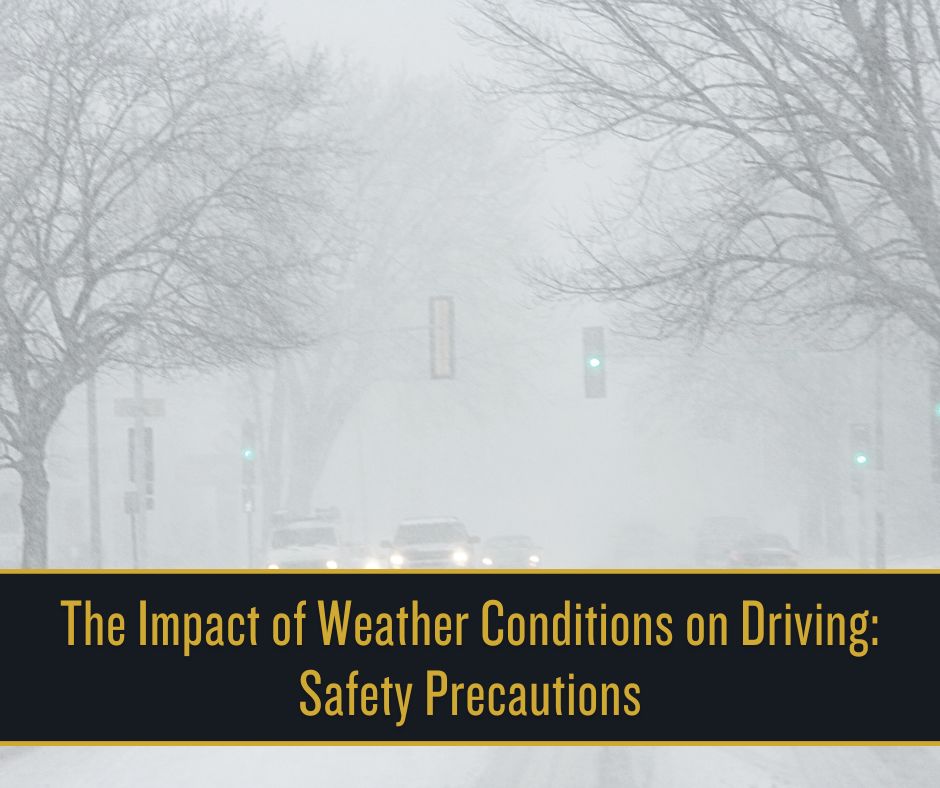
Driving in adverse weather conditions can pose significant challenges and hazards for motorists. From rain and snow to fog and ice, various weather phenomena can affect road conditions and driver visibility, increasing the risk of accidents. At Rosa Driving Academy, we prioritize safety on the road, which is why we’re discussing the impact of weather conditions on driving and providing essential safety precautions to help you stay safe behind the wheel.
Understanding the Impact of Weather Conditions:
Different weather conditions can have distinct impacts on driving conditions, including:
- Rain: Heavy rain can reduce visibility, create slippery road surfaces, and increase the risk of hydroplaning.
- Snow and Ice: Snow and ice can make roads slick and treacherous, leading to loss of traction, skidding, and difficulty braking.
- Fog: Fog can drastically reduce visibility, making it challenging to see other vehicles, pedestrians, and road signs.
- Wind: Strong winds can affect vehicle stability, especially for high-profile vehicles like trucks and trailers, and cause debris to blow onto the roadway.
Safety Precautions for Driving in Adverse Weather Conditions:
To stay safe while driving in adverse weather conditions, follow these essential safety precautions:
- Check Weather Forecasts: Before embarking on a journey, check weather forecasts and road conditions to anticipate potential hazards and plan your route accordingly. Postpone travel if severe weather conditions are forecasted.
- Maintain Your Vehicle: Ensure that your vehicle is properly maintained, including checking tire tread depth, tire pressure, windshield wipers, and fluid levels. Consider installing winter tires or chains for driving in snowy or icy conditions.
- Reduce Speed: Reduce your speed when driving in adverse weather conditions to maintain better control of your vehicle and allow for longer stopping distances. Adjust your speed according to road conditions, visibility, and traffic flow.
- Increase Following Distance: Increase your following distance from other vehicles to allow for ample braking distance and reaction time in case of sudden stops or emergencies. Maintain a safe distance behind larger vehicles to avoid being affected by their turbulence or debris.
- Use Headlights: Use headlights, even during daylight hours, to increase your visibility to other drivers and pedestrians. In foggy or low-visibility conditions, use fog lights if your vehicle is equipped with them, but avoid using high beams, as they can reflect off fog and reduce visibility further.
- Stay Alert and Focused: Stay alert and focused while driving, paying close attention to changing road conditions, traffic signals, and other road users. Avoid distractions such as cell phones, navigation systems, or eating while driving, as they can impair your concentration and reaction times.
- Avoid Sudden Maneuvers: Avoid sudden maneuvers such as sharp turns, abrupt lane changes, or hard braking, as they can increase the risk of losing control of your vehicle, especially on slippery or uneven road surfaces.
- Know When to Stop: If weather conditions become too severe or unsafe to continue driving, find a safe location to pull over and wait until conditions improve. Use your hazard lights to alert other drivers to your presence if you’re stopped on the side of the road.
Conclusion:
By following these safety precautions and adjusting your driving behavior to accommodate adverse weather conditions, you can minimize the risk of accidents and stay safe on the road. At Rosa Driving Academy, we emphasize the importance of defensive driving techniques and situational awareness in our driver education programs, helping our students become confident and responsible drivers in all weather conditions. Contact us today to learn more about our comprehensive driver education courses and how we can help you stay safe on the road, rain or shine.